Program development update · July 22, 2026
Red Tape Foundation is continuing to develop its Youth Babysitting and Safety Training program for young people and families. The developing program focuses on practical preparation, communication, responsibility, leadership, household safety, emergency awareness, and recognition of personal limits.
The Foundation is not treating a published program description as proof that a class has already been held or that registration is continuously available. Program delivery will depend on confirmed instructors, curriculum, facilities, safety practices, funding, scheduling, participant demand, and the responsibilities accepted by host organizations and families.
Why youth caregiving education matters
Young people are often asked to help with siblings, relatives, neighbors, or family friends before they have received organized preparation. Even a short period of supervision can involve emergency contacts, allergies, household rules, feeding instructions, medication boundaries, pets, visitors, transportation limits, internet use, bedtime expectations, and decisions about when to call an adult or emergency services.
A responsible training program cannot make every youth ready for every child or household. It can help participants ask better questions, identify hazards, understand that instructions matter, and recognize situations beyond their ability or authority.
Topics being developed
The program framework includes several connected areas of learning:
- Understanding the babysitter’s or helper’s role and limits.
- Communicating with parents, guardians, children, and emergency contacts.
- Reviewing household rules before supervision begins.
- Recognizing choking, breathing, bleeding, illness, fire, and other urgent concerns.
- Knowing when to call 911, contact an adult, or leave an unsafe situation.
- Reducing preventable hazards involving water, kitchens, stairs, pets, doors, medications, firearms, and visitors.
- Using age-appropriate activities and maintaining active supervision.
- Handling conflicts, fear, embarrassment, or uncertainty without hiding important information.
- Preparing a personal checklist before accepting a caregiving responsibility.
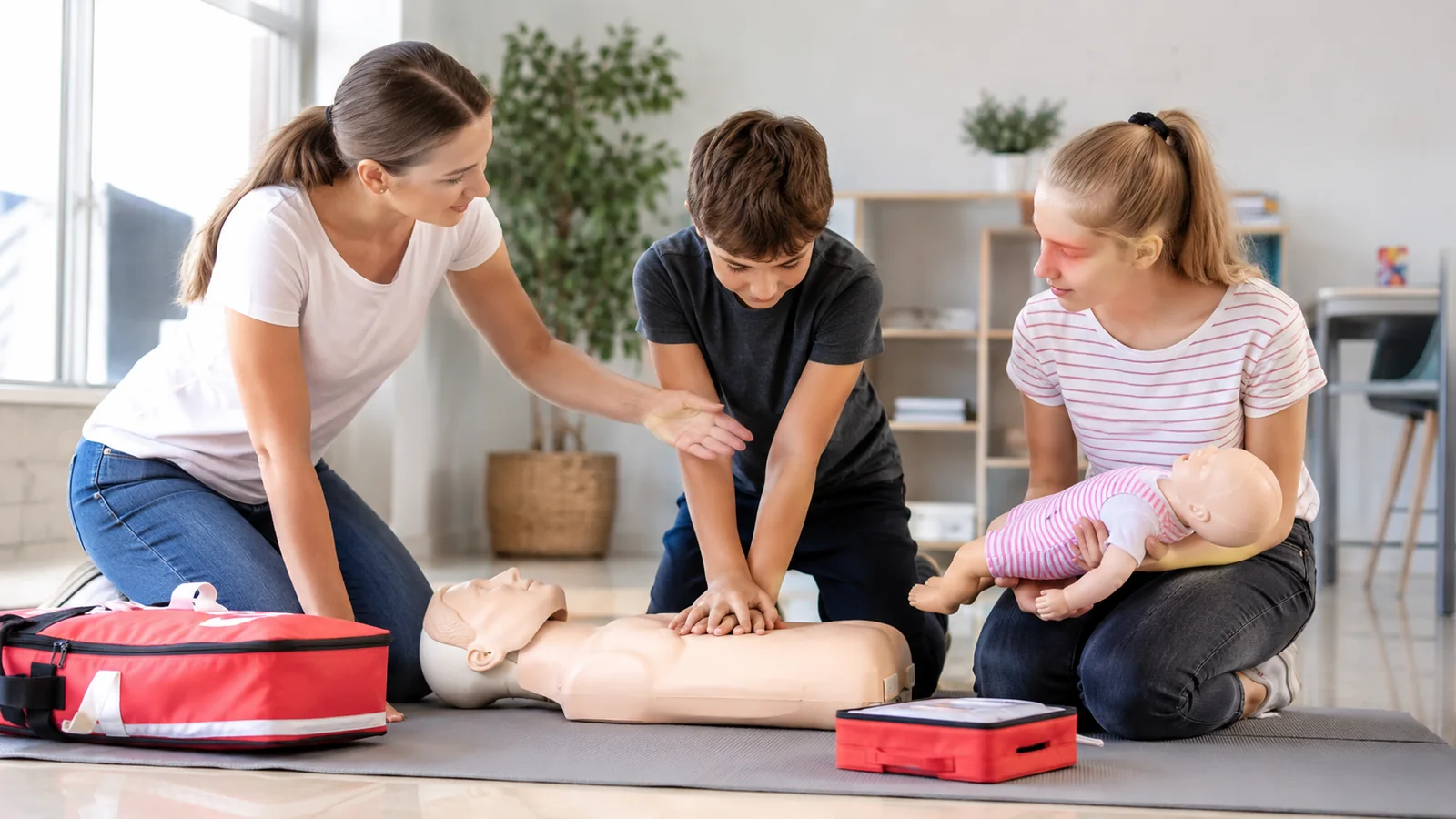
Some future opportunities may be paired with CPR or First Aid education, but a youth safety class does not automatically create CPR certification or replace the requirements of a recognized certification provider.
Family and host responsibilities remain important
Training does not transfer the responsibility for deciding whether a young person is ready for a particular child, household, time period, or circumstance.
Parents and guardians should consider maturity, experience, communication, transportation, emergency access, the age and needs of the child being supervised, and whether the youth can safely decline or leave an inappropriate assignment.
A host organization may also have responsibilities involving facilities, supervision, participant communication, permission, emergency procedures, photography, accessibility, behavior expectations, and the qualifications of instructors or volunteers.
Training is not a guarantee
Completion of an educational activity does not guarantee readiness, employment, certification, licensing, a babysitting job, a particular level of skill, or a specific safety outcome.
Participants should continue practicing, asking questions, and following the instructions of parents, guardians, qualified instructors, emergency personnel, healthcare professionals, and other responsible adults.
The Foundation will avoid describing planned seats, expressions of interest, or proposed classes as completed participation. Verified attendance and other results will be reported only after an activity occurs and reliable records are available.
How community partners may help
Schools, youth organizations, service clubs, employers, healthcare organizations, instructors, nonprofits, facilities, and local businesses may be able to support the program through meeting space, qualified instruction, participant outreach, materials, printing, scholarships, equipment, refreshments, transportation planning, volunteer assistance, or sponsorship.
A partnership inquiry begins a review. It does not automatically create a class, sponsorship, volunteer assignment, or public endorsement. The Foundation and proposed partner must confirm responsibilities before promoting an activity as available.
What happens next
Current development work includes refining educational content, identifying qualified instructors and reviewers, exploring facilities, developing participant and family guidance, seeking charitable funding, and building a process for confirmed registration and communication.
Families and community organizations may review the full Youth Babysitting and Safety Training page. Organizations interested in hosting or supporting an opportunity may review Community Partnerships. People interested in helping with a defined role may review the Volunteer page.
Questions about program development may be submitted through the Contact page. An inquiry does not reserve a seat or guarantee that a class will be scheduled.