Youth safety training
Youth Babysitting Safety Training
Babysitting, safety, leadership, and real-life readiness for youth ages 11–16.
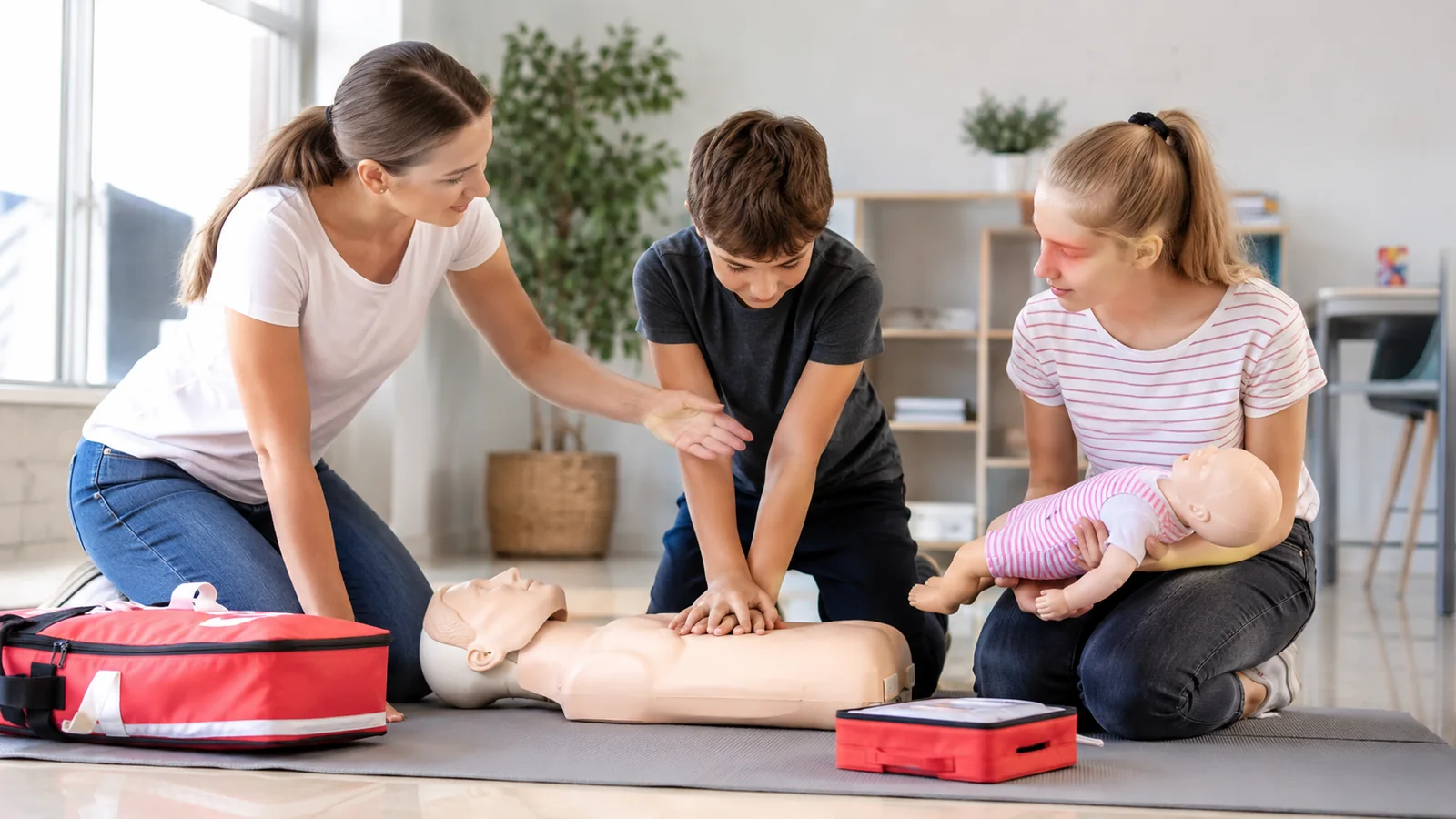
Dates, locations, eligibility, pricing, scholarship availability, and registration details will be posted after instructors, funding, facilities, and program logistics are confirmed. Expressing interest does not reserve a seat or create a guarantee that a class will be offered.
Why this training matters
Prepared young people make safer, more confident decisions.
Babysitting and safety training is about more than learning individual tasks. It introduces young people to the responsibility involved in caring for someone else’s child, following a family’s instructions, recognizing hazards, communicating clearly, responding appropriately, and knowing when adult or emergency assistance is needed.
A first babysitting job may be one of a young person’s earliest experiences with real responsibility. A family is trusting the babysitter to pay attention, make careful choices, protect private information, stay within agreed boundaries, and ask for help when a situation is beyond the babysitter’s knowledge or authority. Structured education gives youth a place to discuss those expectations before they are alone in a caregiving situation.
Training also supports skills that are useful beyond babysitting. Preparation, punctuality, respectful communication, problem-solving, accountability, and calm decision-making can help youth at school, while volunteering, in future employment, and in everyday family life. The goal is not to make a young person responsible for every possible emergency. The goal is to help them understand their role, prepare thoughtfully, and recognize when a trusted adult, parent, guardian, medical professional, or emergency responder should take over.
Confidence
Practice making calm, responsible decisions in common caregiving situations without pretending that every situation can be handled alone.
Responsibility
Understand the trust involved in caring for children, following family instructions, protecting information, and staying focused.
Communication
Learn how to communicate with children, parents, emergency contacts, trusted adults, and responders when help is needed.
Readiness
Recognize common risks, gather essential information before a job, and respond appropriately when plans change or problems arise.

Skills youth can build
Practical caregiving skills for real situations
A well-planned youth babysitting course introduces practical information in an age-appropriate setting. Participants can learn what to ask before accepting a job, how to prepare for a child’s routine, how to reduce preventable risks, and how to communicate when they are uncertain. Instruction may use discussion, demonstrations, guided practice, examples, and realistic scenarios depending on the course format and current program standards.
Age-appropriate supervision, awareness, caregiving responsibilities, safe environments, and the importance of following family directions.
Common needs involving holding, feeding, diapering, play, rest, routines, comfort, and maintaining appropriate supervision.
Using clear directions, age-appropriate choices, calm redirection, consistent boundaries, and respectful communication.
Recognizing when something is wrong, activating the family’s emergency plan, calling for help, and sharing useful information.
Making responsible choices, avoiding unsafe shortcuts, understanding personal limits, and involving adults when needed.
Reliability, preparation, communication, professionalism, accountability, appropriate boundaries, and respect for family privacy.
Before accepting a babysitting job
Good preparation begins with questions, information, and clear expectations.
Youth should not have to guess what a family expects. Before a babysitting arrangement begins, the young person and their parent or guardian can discuss whether the job is appropriate for the babysitter’s age, experience, comfort level, transportation, schedule, and training. Families can also talk openly about the number and ages of the children, pets, medical or behavioral considerations, household rules, planned activities, and the availability of nearby adult support.
A babysitter should know how to reach the child’s parent or guardian, which backup adult may be contacted, the home’s address, where the family keeps emergency information, and when to call 911. They should receive clear instructions about meals, allergies, medications, bedtime, screen time, visitors, outdoor play, pools or water, cooking, transportation, and any areas of the home that are off limits. A youth training course can help participants understand why these questions matter, but each family remains responsible for providing complete and current instructions for the specific children and setting.
Young people also benefit from permission to decline a job that does not feel safe or appropriate. They should not be pressured to supervise more children than they can reasonably manage, perform tasks they have not been trained or authorized to perform, drive when they are not legally and safely able to do so, or remain in a situation where adults are unavailable and essential information has not been provided. Responsible babysitting includes recognizing limits before a problem occurs.
A practical pre-job conversation may cover:
- The children’s names, ages, routines, needs, and approved activities
- Parent, guardian, backup-contact, and emergency contact information
- The exact address and any directions needed for emergency responders
- Allergies, health concerns, medications, and instructions provided by the family
- Household hazards, pets, pools, cooking rules, locked areas, and security procedures
- Arrival, departure, transportation, payment, communication, and check-in expectations
During a babysitting job
Attentive supervision and calm communication matter from beginning to end.
Babysitters are expected to remain focused on the children in their care. That means limiting personal distractions, following the family’s rules, keeping children in approved areas, and paying attention to changing conditions. A situation that begins normally can become unsafe if a child becomes ill, a smoke alarm sounds, someone arrives unexpectedly, severe weather develops, a pet behaves unpredictably, or the babysitter loses contact with the parent or guardian.
Training can help youth think through how to pause, assess what is happening, move children away from immediate danger when it is safe to do so, contact the appropriate adult, and call emergency services when necessary. It can also reinforce that a babysitter should never delay emergency help because they are embarrassed, afraid of getting in trouble, or unsure whether a situation is serious enough. When life or safety may be at risk, calling 911 and following the dispatcher’s instructions is appropriate.
Communication after the job is important too. Parents and guardians should receive an accurate account of meals, activities, behavior concerns, injuries, unusual events, and any contact with an emergency or backup person. Youth should be encouraged to tell the truth, even when they made a mistake. Honest reporting allows adults to respond appropriately and helps young caregivers learn from experience.
Professionalism, privacy, and boundaries
Babysitting is built on trust, and trust requires good judgment.
Even an informal babysitting arrangement involves expectations that are similar to early employment. A young person may need to arrive on time, confirm plans, dress appropriately for active child care, follow household rules, keep a phone available for necessary communication, and stay until the parent or guardian returns or another authorized adult takes over. They should understand the agreed payment arrangement before the job begins and involve their own parent or guardian when questions or conflicts arise.
Privacy is an important part of responsible care. Babysitters may learn a family’s address, schedule, alarm procedures, contact information, health information, or other personal details. They should not post photographs or videos of children, identify the family’s location, share private conversations, invite friends to the home, or describe the family’s routines online without clear permission from the parent or guardian. A child’s image and information belong to the child and family, not to the babysitter’s social media account.
Healthy boundaries protect both the children and the babysitter. A youth caregiver should avoid physical games, discipline methods, transportation, medication administration, bathing, swimming supervision, cooking activities, or other tasks that are not specifically approved and that exceed the youth’s training or comfort. The family should explain appropriate routines and provide a safe way for the babysitter to ask questions. The babysitter should never be expected to conceal an injury, unsafe condition, threatening behavior, or emergency from a parent, guardian, trusted adult, or responder.
Online safety may also become part of a babysitting job. Families should state whether children may use games, streaming services, social media, messaging, or internet-connected devices. Babysitters should not change parental controls, make purchases, share passwords, communicate with strangers on a child’s behalf, or use a family’s devices or accounts without permission. When a child encounters disturbing content, unwanted contact, or another online concern, the babysitter should stop the activity when possible and notify the appropriate adult.
Young people should also have a plan for their own safety. Their parent or guardian should know where they are, how to reach them, when the job is expected to end, and how they will get home. If an adult in the home behaves inappropriately, the environment becomes unsafe, transportation plans change, or the babysitter feels threatened, the youth should contact a trusted adult or emergency services as appropriate. Accepting payment never requires a young person to remain in an unsafe situation.
Training pathway
American Red Cross Babysitter’s Training
Red Tape Foundation is preparing local and partner-supported training opportunities using American Red Cross Babysitter’s Training curriculum. The instructor-led course is designed to help learners build knowledge and confidence for caring for children and responding to common babysitting situations.
The training pathway may address leadership, the business of babysitting, safety, child and infant care, behavior, problem-solving, and emergency preparation in accordance with the curriculum and delivery standards in effect when a class is scheduled. Course content, prerequisites, participant materials, completion requirements, and any certificate issued are governed by the applicable American Red Cross program rather than by this website description.
Red Tape Foundation’s role may include community outreach, scheduling, participant communication, scholarship coordination, facilities, instructor arrangements, sponsor engagement, and partnership development. A class will be announced only after the necessary instructors, funding, location, materials, and administrative details are confirmed.
Important affiliation notice: Red Tape Foundation is an American Red Cross Licensed Training Provider. Red Tape Foundation is not the American Red Cross, and use of American Red Cross training materials does not imply that the American Red Cross sponsors every Foundation activity.
- Caregiving awareness
- Child and infant safety
- Problem-solving and judgment
- Communication with families
- Emergency preparation
- Leadership and early job skills
Enhanced certification option
Adult and Pediatric First Aid, CPR, and AED
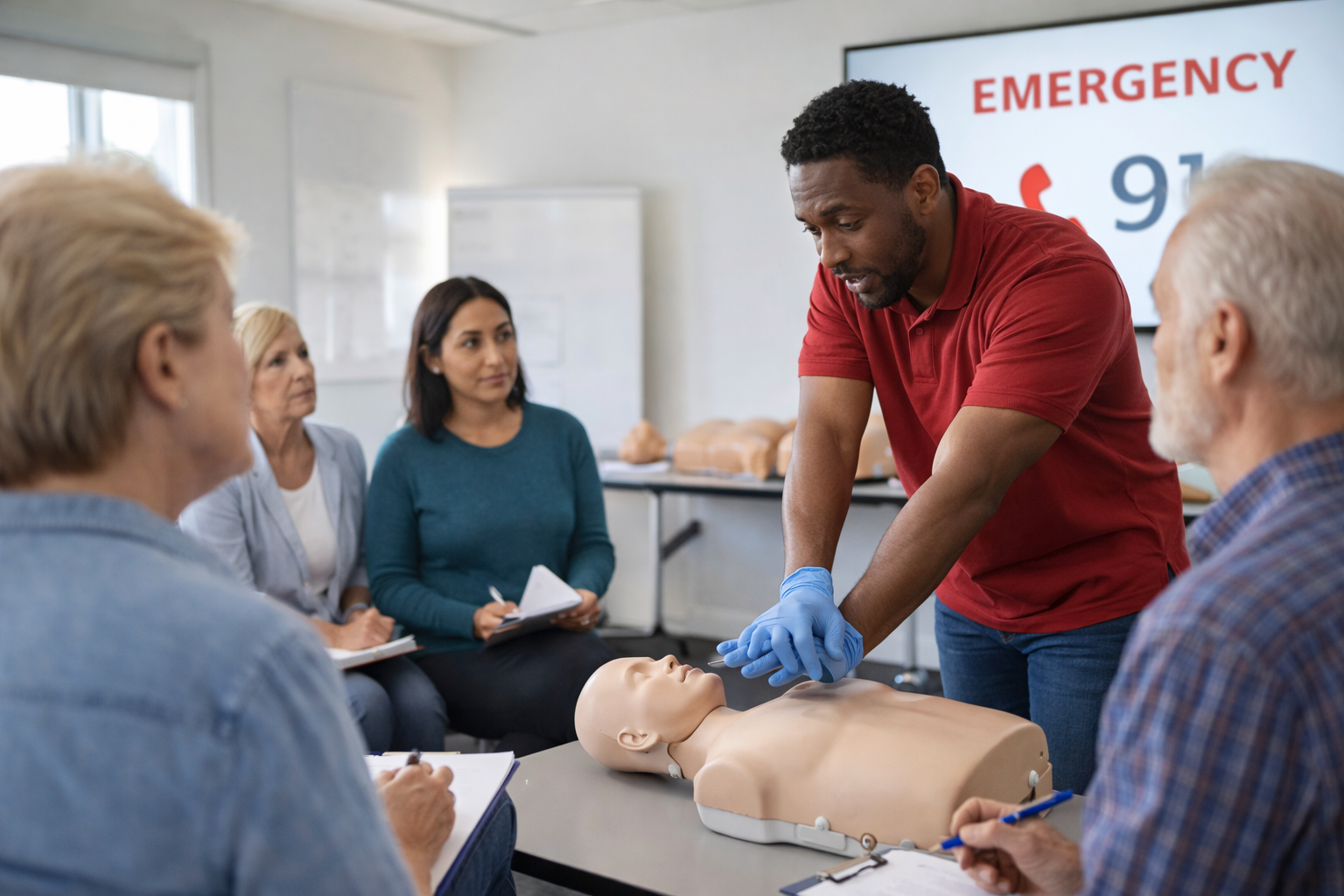
When offered, an enhanced program may combine Babysitter’s Training with Adult and Pediatric First Aid, CPR, and AED certification. This option is intended for participants who meet the applicable course requirements and want additional preparation for recognizing and responding to emergencies involving adults, children, or infants.
First Aid, CPR, and AED instruction does not replace professional medical care. Training helps participants recognize emergencies, activate emergency medical services, provide care within the scope of their training, and continue until more advanced help is available or the situation changes. Participants must complete all required portions of the course to receive any applicable certification.
This expanded option may include preparation for:
- Cardiac emergencies and sudden cardiac arrest
- Breathing emergencies and choking
- Sudden illnesses and changes in responsiveness
- Environmental injuries and temperature-related concerns
- Common first aid situations and injury response
- Emergency action, communication, and use of available resources
Certification availability depends on participant eligibility, qualified instructors, scheduling, facilities, current program standards, successful course completion, and funding.
What families can do now
Families can build readiness even before a class is scheduled.
Parents and guardians do not need to wait for registration to begin age-appropriate conversations about responsibility and safety. A young person can practice gathering emergency information, identifying trusted adults, learning the home address, using a phone to call for help, following written directions, and explaining what they would do when they are unsure. Families can review household rules and discuss situations in which the young person should immediately contact an adult or call 911.
Practice should remain supervised and appropriate for the youth’s age and maturity. Reading about a skill is not the same as completing hands-on training, and watching a video is not a substitute for instructor-led practice when a formal course is required. Families should also avoid assigning medical, transportation, water-supervision, cooking, or other higher-risk responsibilities that exceed the young person’s ability, training, or legal authority.
When future classes are announced, families should review the actual course description, age requirements, schedule, location, costs, participation expectations, and certification terms. Information on this page describes the developing program and does not itself enroll, certify, qualify, or authorize a participant to provide child care.
Ways to participate
Families, schools, sponsors, and community partners all have a role.
Expanding youth safety education requires more than a course outline. It can require qualified instructors, suitable facilities, participant outreach, registration support, materials, equipment, scholarship resources, and coordination with organizations that already serve young people and families.
Express interest in future training
Ask about future class availability, age eligibility, registration updates, possible locations, and scholarship opportunities. An inquiry helps the Foundation understand community interest but does not create a reservation.
Host or coordinate a class
Explore facilities, participant outreach, scheduling, instructor arrangements, parent communication, group needs, and other practical requirements for a future training opportunity.
Help reduce participation barriers
Support participant seats, training materials, instructor expenses, facilities, equipment, outreach, or other approved program costs. Restricted support will be used consistently with the accepted purpose.
Expand access through collaboration
Help identify community needs, connect families with accurate information, suggest appropriate facilities, share future announcements, or participate in responsible program planning.
Volunteer and community support
Program development can include many forms of responsible assistance.
Community members may be able to support the developing program through outreach, event logistics, administrative help, fundraising, in-kind materials, facility connections, or other approved activities. Volunteer roles will depend on actual program needs, supervision, screening requirements, participant privacy, insurance, and the nature of the work. Expressing interest does not guarantee placement in a volunteer role.
People who wish to teach or support formal certification courses may need specific credentials, authorization, experience, or additional approval. No volunteer should present themselves as an instructor, medical professional, child-care provider, or representative of the American Red Cross unless they are currently authorized to do so for the activity involved.
Visit the Volunteer page to learn how to express interest, or review Community Partnerships if you represent a school, youth organization, business, service club, foundation, public agency, nonprofit, or community group.
Access matters
Training scholarships can help reduce financial barriers.
As funding and appropriate classes become available, Red Tape Foundation may provide or coordinate scholarship-supported seats for eligible participants. Assistance may be partial or full and may relate to approved registration fees, certification costs, participant materials, or other training expenses.
Scholarship-supported seats are not guaranteed or continuously available. Decisions may depend on the participant’s circumstances, age and course eligibility, available funding, sponsor restrictions, class capacity, location, instructors, and program readiness. Families should begin with a basic inquiry and should not send Social Security numbers, banking information, medical records, full tax returns, passwords, or other highly sensitive records.
Frequently asked questions
Common questions about youth babysitting and safety training
Can I register a participant now?
No. Classes are not yet open for registration. Red Tape Foundation is currently gathering interest and developing the instructor, funding, facility, scheduling, and partnership resources needed for future opportunities.
Does contacting the Foundation hold a seat?
No. An inquiry allows you to request updates or describe a possible partnership. A seat exists only after a specific class is announced, eligibility is confirmed, and the participant completes the registration process required for that class.
Is the program only for experienced babysitters?
The developing pathway is intended to help youth ages 11–16 build foundational readiness. Actual enrollment requirements may vary by course and will be listed with each future offering. Families remain responsible for deciding whether a youth is ready for a specific babysitting responsibility.
Will every class include CPR certification?
No. Babysitter’s Training and Adult and Pediatric First Aid, CPR, and AED are separate training components. An enhanced offering may combine them, but course format, eligibility, completion requirements, certification, schedule, and cost will depend on the specific class.
Are scholarships available now?
Scholarship-supported seats depend on funding and an appropriate class opportunity. Families and organizations may submit an initial inquiry, but assistance cannot be promised before resources, eligibility, and program availability are confirmed.
Can a school or youth organization request a group class?
Yes. Organizations may contact Red Tape Foundation to discuss participant needs, facilities, timing, outreach, sponsorship, and other logistics. A discussion does not guarantee that the Foundation can provide a class, but it can help determine whether a workable partnership is possible.
Where will future announcements appear?
Confirmed program updates may be posted on this page and on the Foundation’s News page. Families should rely on the details published for the specific course rather than older announcements or general descriptions.
What should I do during an emergency?
This website is not an emergency service and does not provide medical advice. Call 911 for an immediate threat to life or safety. Follow instructions from emergency dispatchers and qualified responders.
Stay informed
Interested in future youth training?
Families may express interest in future classes. Schools and youth organizations may suggest a location or group opportunity. Sponsors may discuss participant seats or program expenses. Community members may ask about volunteering or partnership needs. Red Tape Foundation will share confirmed information as organizational capacity allows.