Training scholarships
Training Scholarships
Practical training should not be out of reach because of cost.
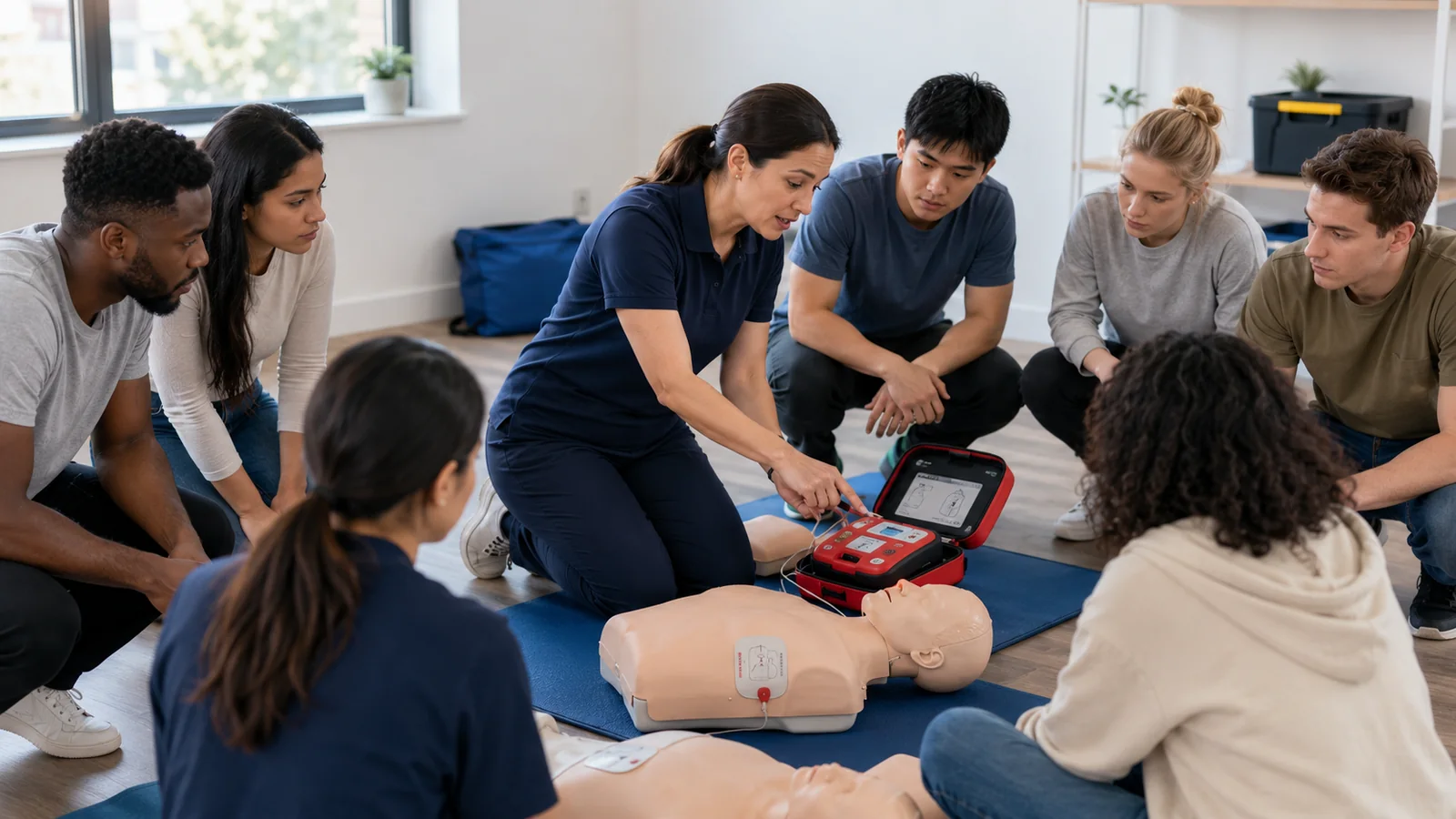
Availability depends on donations, grants, sponsorships, qualified instructors, course scheduling, participant eligibility, facilities, materials, and overall program capacity. Red Tape Foundation is currently developing these opportunities and may not have an appropriate class or funding source available when an inquiry is received.
Why scholarships matter
Training costs can prevent people from gaining skills that improve safety and preparedness.
Course fees are only one part of the cost of participating in practical education. Certification charges, student materials, transportation, time away from other responsibilities, and access to an appropriate class can all affect whether a person is able to participate. These barriers may be especially significant for young people, families with limited resources, volunteer caregivers, community organizations, and individuals who are trying to gain useful skills before entering the workforce.
Red Tape Foundation’s scholarship work is intended to support charitable access to education, not to create an entitlement or a promise of payment. Assistance may be connected to a particular class, instructor, partner organization, grant, sponsorship, age group, or geographic service area. Some opportunities may cover the entire approved cost of a seat, while others may provide partial assistance or materials only.
Whenever possible, the Foundation seeks to coordinate support in a way that is practical and accountable. That may mean paying an approved training provider directly, reserving a sponsored participant seat, purchasing required materials, or organizing a group class with a school, nonprofit, youth program, service club, business sponsor, or other community partner. Cash payments to participants are not the normal purpose of this program.
Access
Help eligible participants reach training opportunities they might otherwise be unable to afford. Access also means sharing clear information about requirements, schedules, locations, and what a course can realistically provide.
Preparedness
Expand access to practical skills that support safer decisions and emergency readiness. Training does not eliminate risk, but it can help participants recognize concerns, follow appropriate steps, and seek qualified help.
Confidence
Give youth and community members opportunities to build useful knowledge, responsibility, and communication skills through structured learning and supervised practice.
Community benefit
Strengthen families, volunteers, youth organizations, schools, and community-serving groups by increasing the number of people who have been introduced to practical safety and caregiving concepts.
Scholarship-supported education works best when it connects the right participant with the right opportunity. For that reason, Red Tape Foundation may ask basic questions about the requested training, the participant’s age, location, financial barrier, availability, and relationship to a school or community organization. The Foundation may also explain that another class, provider, date, or funding source would be more appropriate.

What support may cover
Scholarship assistance may reduce some or all approved training costs.
The exact form of assistance depends on the program and the restrictions attached to the available funding. A donor may sponsor a specific type of course. A grant may limit support to a particular age group, community, county, or educational purpose. A partner organization may provide a classroom or recruit participants while the Foundation helps coordinate materials or instructor expenses.
All or part of an eligible program’s registration fee when a suitable class and approved funding are available.
Approved certification-related costs associated with the training, subject to the standards and requirements of the issuing organization.
Student workbooks, educational materials, and required course supplies that are part of an approved training opportunity.
Participant seats funded by donors, businesses, grants, service clubs, foundations, or community partners.
Reasonable training-related expenses approved by the Foundation, such as instructor, facility, equipment, or outreach costs.
Scholarships may cover only part of a participant’s total approved cost, with the remaining amount handled by the participant or a partner.
Assistance generally applies only to costs that have been reviewed and approved in advance. Participants should not register for a course, pay a provider, purchase supplies, or assume reimbursement will be available unless Red Tape Foundation has provided written confirmation. An inquiry, conversation, application, or expression of interest is not an award.
Some expenses may fall outside the scope of a scholarship. Examples may include transportation, meals, childcare, lost wages, optional equipment, replacement certification cards, missed-class charges, or costs incurred before approval. The Foundation may consider different forms of support in the future, but no specific category should be assumed to be covered.
Who may inquire
Scholarship questions may come from individuals, families, or organizations.
Eligibility may vary by course, age requirements, service area, funding source, program partner requirements, available seats, and charitable priorities. Red Tape Foundation may accept inquiries even when no current award is available so that the Foundation can better understand community interest and potential partnership needs.
The primary service focus is California’s Central Coast, including communities in Santa Barbara and San Luis Obispo Counties. Opportunities outside that area may be limited and would depend on the program, instructor coverage, funding terms, and an appropriate local partner.
A person does not need to describe every private detail of their finances to make an initial inquiry. A brief explanation of the barrier is enough to begin. When a particular grant or sponsor requires additional eligibility information, the Foundation will explain what is needed, why it is needed, and how it should be provided.
Age and course prerequisites still apply. A scholarship cannot waive the standards established by a course provider or certifying organization. Youth participants may need parent or guardian permission. Some courses may require minimum ages, physical participation, attendance for the full class, successful skills demonstrations, or completion of written work.
How requests may be reviewed
Decisions are based on both participant circumstances and available program resources.
Red Tape Foundation may use a simple review process for individual requests and a more detailed process for group classes, restricted grants, or sponsored programs. The Foundation may contact an applicant, parent, guardian, school, nonprofit, instructor, or community partner to confirm basic information before making a decision.
The general nature of the participant’s financial barrier and whether scholarship support would make meaningful participation more likely.
Age, course prerequisites, location, attendance requirements, parent or guardian involvement, and other program conditions.
Whether an appropriate class exists, whether registration is open, and whether a participant seat can be reserved.
Current donations, grants, restricted sponsorships, program budgets, and any rules attached to those resources.
Instructor availability, facilities, scheduling, equipment, materials, participant communication, and administrative capacity.
Whether the request supports the Foundation’s educational mission, current priorities, and responsibility to use charitable funds appropriately.
The Foundation may prioritize requests that align closely with an available class or restricted funding source. It may also reserve funds for a group class that can serve several participants efficiently. A request may be declined or placed on hold because a class is full, the participant does not meet course requirements, the requested expense is not eligible, the Foundation lacks funding, or the opportunity is outside current program capacity.
Approval decisions may differ even when applicants appear to have similar circumstances because funding sources, course dates, geographic restrictions, and available seats can change. Red Tape Foundation aims to make decisions in good faith and may revise its scholarship procedures as the program develops.
Initial inquiry process
Start with basic information—do not send sensitive records.
An initial inquiry should provide enough information for Red Tape Foundation to understand the request without collecting unnecessary private data. The inquiry is a starting point, not a formal award, class registration, or guarantee that the Foundation will be able to provide support.
Describe the participant
Provide the participant’s name, approximate age, and parent or guardian contact information when applicable. An organization may also describe the group it hopes to serve.
Identify the training
Explain the type of training requested, the reason for the request, and the preferred location or service area. Include a known class date only when one actually exists.
Explain the barrier
Provide a general description of the financial barrier, the amount of help being requested if known, and any school, nonprofit, employer, or partner involved.
Wait for availability
The Foundation will respond when it can identify relevant funding, a class, a partner, or another practical next step. Response timing may vary with program activity.
After reviewing the initial information, Red Tape Foundation may ask follow-up questions or provide a separate application. The Foundation may also refer the person to a public class, community partner, course provider, or other resource. A referral is informational and does not mean the Foundation controls the outside organization or guarantees its services.
When assistance is approved, the Foundation will explain the amount or type of support, the approved course or expense, any deadline, and any conditions that apply. Participants remain responsible for following registration instructions, attending as required, communicating changes, and complying with the policies of the instructor or training provider.
If a participant cannot attend, they should notify the Foundation and course provider promptly. Sponsored seats and materials may be limited, and missed classes can prevent another person from using the opportunity. Rescheduling or transferring an award is not guaranteed.

Sponsor access
Help fund a participant, a group, or a community class.
Businesses, foundations, service clubs, community organizations, and individual donors can help expand access to practical education. A contribution may support the general scholarship program or, when accepted by the Foundation, may be restricted to an approved purpose such as youth babysitting education, CPR and First Aid access, participant materials, or a community-based class.
Sponsorship can be financial or in kind. A community partner may provide classroom space, help identify eligible participants, assist with outreach, donate approved supplies, or support event logistics. The Foundation reviews proposed donations and partnerships to confirm that they are useful, appropriate, and consistent with the charitable program.
Donors should not promise a scholarship directly on behalf of Red Tape Foundation or select a participant without prior coordination. The Foundation remains responsible for administering its charitable resources, confirming eligibility, and determining how accepted funds will be used. Donor preferences may be considered, but the Foundation must retain appropriate control over charitable funds.
- Individual participant seats
- Student materials and workbooks
- Instructor and certification expenses
- Training facilities, equipment, and supplies
- Community outreach and participant communication
- Group or community training opportunities
Organizations interested in hosting or sponsoring a class can also visit our Community Partnerships page. People interested in helping with outreach, events, or other approved activities may review current information on the Volunteer page.
Explore the developing youth safety program
Learn about babysitting readiness, caregiving, leadership, emergency awareness, First Aid, CPR, and AED pathways for youth ages 11–16. Classes are not yet continuously available.
Learn about CPR, First Aid, and AED access
Review how Red Tape Foundation is working to support practical safety education, community-hosted opportunities, and reduced-cost access when resources are available.
Submit an initial inquiry
Ask about possible scholarship-supported seats, relevant training opportunities, eligibility considerations, or a class for a school or community group.
Sponsor educational access
Support participant seats, materials, training delivery, and community outreach. You can also review Foundation updates and developing opportunities on our news page.
Common questions
What to know before requesting scholarship support
Because the program is still developing, the most important first step is understanding what an inquiry can and cannot do. The answers below describe the Foundation’s current approach. Specific requirements may change as new courses, funding sources, and community partnerships are established.
Is a scholarship currently available?
Not necessarily. Red Tape Foundation may receive inquiries when no funded seat or suitable class is open. An inquiry helps the Foundation understand the requested training and determine whether a current or future opportunity may fit. The Foundation will not represent that funding exists until an award has actually been approved.
Does an inquiry reserve a class seat?
No. A class seat is not reserved until the Foundation or the training provider gives specific confirmation. Classes may have separate registration procedures, capacity limits, deadlines, age requirements, or attendance rules. Applicants should avoid making plans based only on an initial conversation.
Can the Foundation reimburse a course already purchased?
Participants should assume that prior purchases are not reimbursable unless written approval was provided before the expense was incurred. Paying for a class first does not create an obligation for the Foundation to reimburse the cost. This protects charitable funds and allows expenses to be reviewed before payment.
Can an organization request support for a group?
Yes. Schools, youth programs, nonprofits, service clubs, and other community organizations may inquire about a group opportunity. A group request should describe the expected number and ages of participants, desired training, proposed location, scheduling needs, available facilities, and any funding or in-kind support already identified.
Will every participant receive certification?
No certification can be promised merely because a participant receives scholarship support. Certification depends on the course offered, the standards of the issuing organization, full attendance, required participation, and successful completion of any skills or knowledge requirements. Some educational activities may not include certification at all.
How are donations connected to scholarships?
General donations give the Foundation flexibility to support its charitable mission, while some accepted gifts or grants may be limited to a particular program. The Foundation determines how funds can be used under applicable restrictions and current program needs. A donation does not automatically create an immediate participant award.
What happens when funding is unavailable?
The Foundation may retain basic contact information, suggest checking future updates, identify an outside training resource, discuss a possible community partnership, or close the inquiry without an award. Applicants should continue exploring other options and should not delay urgent or required training while waiting for scholarship support.
Where will new opportunities be announced?
Confirmed public opportunities may be shared through the relevant program page, the Foundation’s news posts, direct communication with interested participants or partners, and community outreach. Information will be published only after enough details are confirmed to describe the opportunity accurately.
What prospective participants can do now
Review the Youth Babysitting and Safety Training and CPR, First Aid, and AED Access pages to understand the developing program areas. Gather basic information about the participant, the type of training requested, the preferred community, and the general financial barrier. Do not purchase a course or submit private financial records in anticipation of an award.
Organizations can begin identifying possible participants, an accessible class location, preferred dates, adult contacts, and any resources they could contribute. This early planning does not guarantee that a class will be offered, but it can make a future partnership discussion more productive. Sponsors can contact the Foundation before making a restricted gift so that the proposed purpose, timing, and program needs can be discussed accurately.
Everyone should rely on confirmed information rather than assumptions. Course descriptions, certification rules, instructor availability, pricing, and scholarship terms can change. Red Tape Foundation will publish or communicate final details when an opportunity is ready for registration or award decisions.
Opportunity through preparation
Help make practical safety education easier to reach.
Scholarship support can connect participants with training that builds confidence, responsibility, emergency readiness, and useful community skills. Red Tape Foundation will continue developing this program carefully as instructors, funding, partners, and appropriate class opportunities become available.
To understand the Foundation’s broader work, visit Our Programs. To ask about a participant, a sponsored class, or a community partnership, begin with a general inquiry and avoid sending sensitive records.